












What is Khova (Mawa)? The Heart of Traditional Indian Mithai
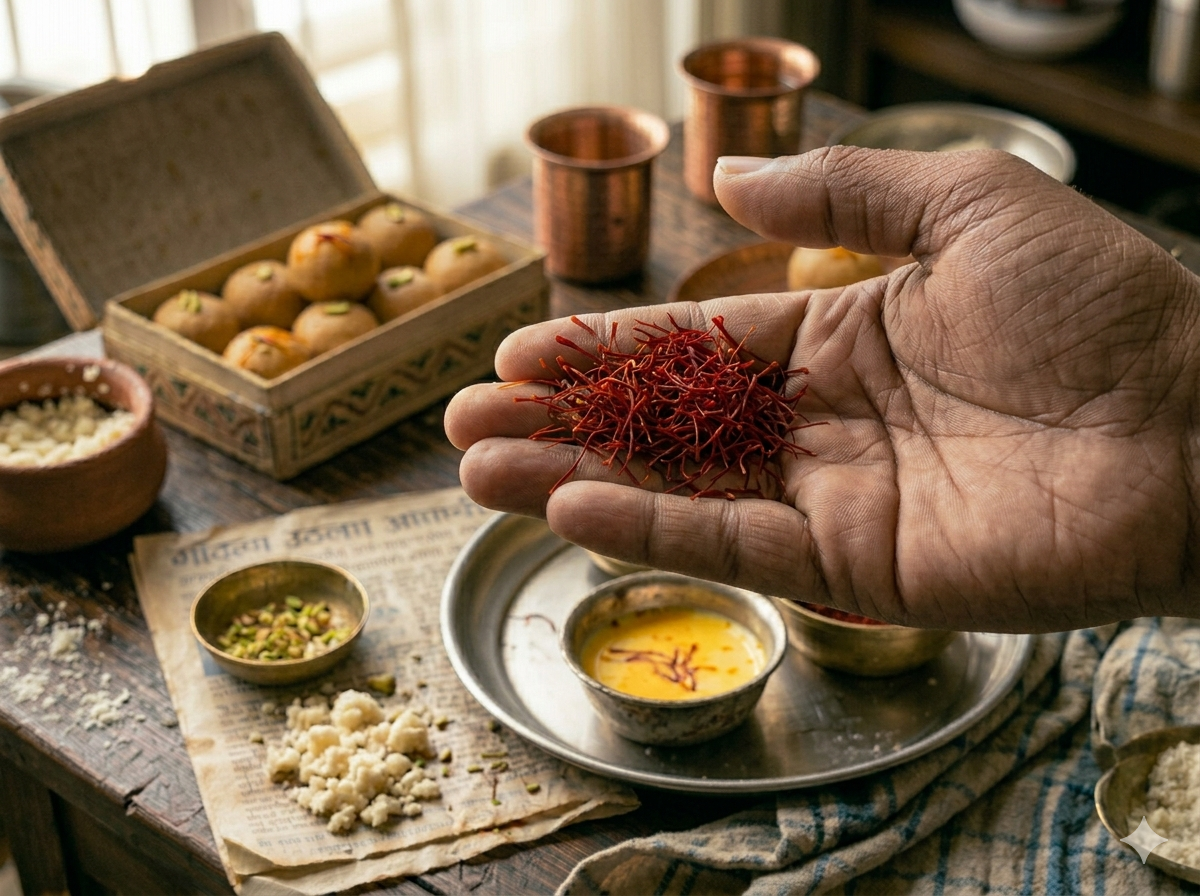
Khova, also known as mawa, is one of the most important ingredients used in traditional Indian sweets. Made by slowly reducing milk over heat until it becomes thick and rich, khova forms the base of many iconic Indian mithai.
From peda and gulab jamun to barfi and festive sweets, khova has been part of Indian dessert-making traditions for generations.
Its rich texture, creamy flavour, and ability to absorb other ingredients beautifully make it a staple in Indian sweet preparation.
What Does Khova Taste Like?
Khova has a flavour that is:
- Rich
- Creamy
- Milky
- Slightly caramelised
- Smooth and dense
Because it is made by slowly cooking milk, khova develops a deep flavour that gives Indian sweets their signature richness.
How is Khova Made?
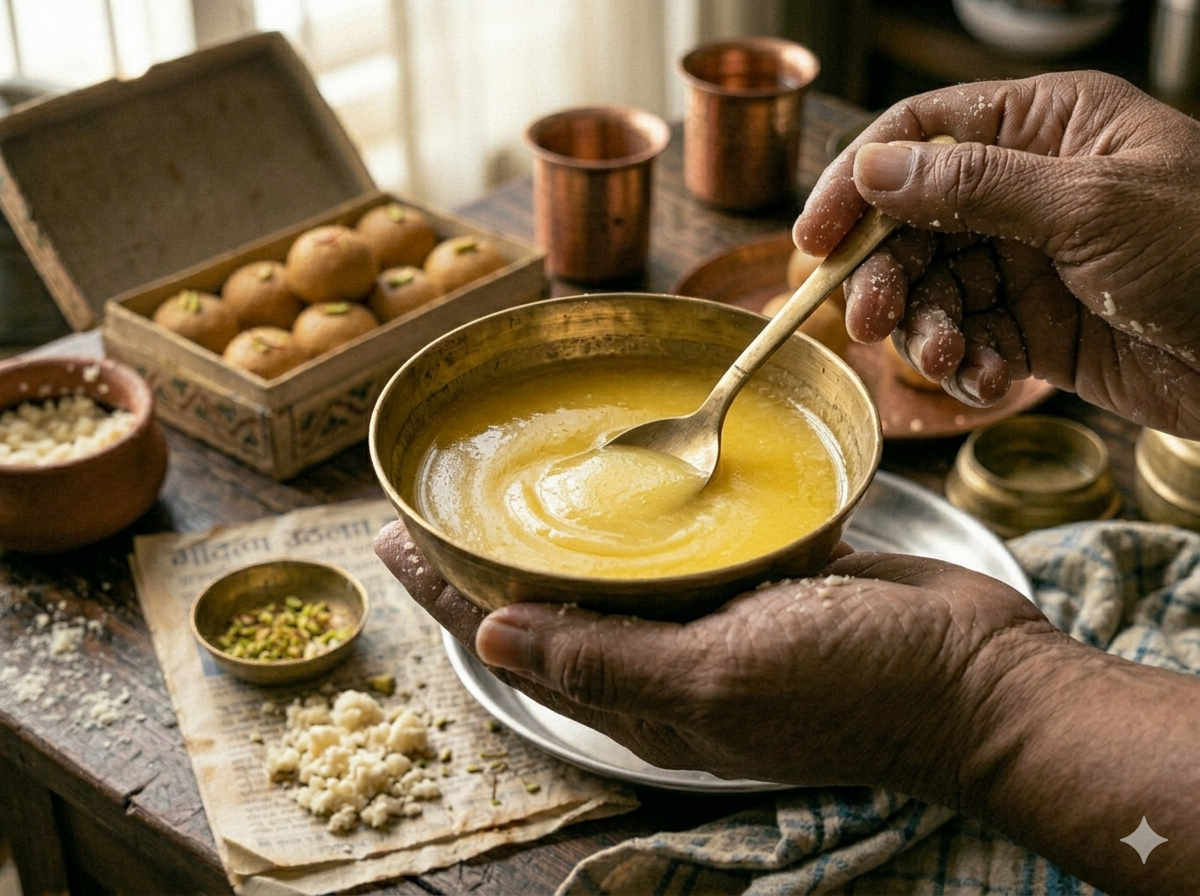
Traditional khova is made by simmering full-fat milk over low heat for several hours until most of the moisture evaporates.
What remains is a thick milk solid with a concentrated flavour and dense texture. This slow-cooking process is what gives many Indian sweets their richness and depth.
Which Indian Sweets Use Khova?
Khova is commonly used in:
- Peda
- Gulab Jamun
- Barfi
- Kesar sweets
- Dry fruit mithai
- Festive desserts
- Milk-based Indian sweets
Across India, different regions use khova in different styles of mithai, making it one of the most versatile traditional ingredients.
Why is Khova Important in Indian Mithai?
Khova acts as the foundation of many Indian sweets because it creates richness, body, and texture. It also blends well with ingredients like:
- Ghee
- Kesar
- Cardamom
- Dry fruits
- Jaggery
This combination creates the comforting and indulgent flavour associated with traditional Indian mithai.
Khova and Indian Celebration Culture
Milk-based sweets have long been associated with celebrations, festivals, weddings, and gifting in India. Khova plays a central role in many of these traditional recipes.
For many Indians, the flavour of khova immediately brings back memories of festive sweet boxes, family gatherings, and homemade mithai during celebrations.
How GO DESi Draws Inspiration from Traditional Mithai
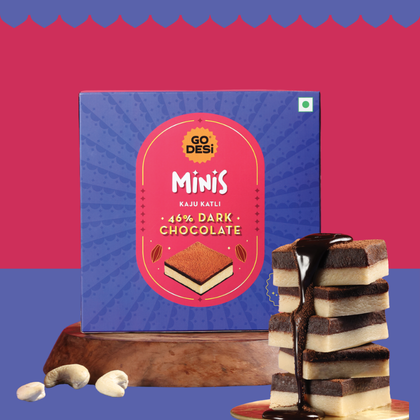
At GO DESi, traditional Indian mithai culture inspires the flavour profiles and nostalgic sweet experiences behind many products.
Ingredients like khova represent the richness and authenticity that define Indian sweets across generations.
Is Khova the Same as Mawa?
Yes. Khova and mawa are two names commonly used for the same milk-based ingredient used in Indian sweets.
Depending on the region, people may use either term interchangeably.
Frequently Asked Questions About Khova
What is khova made from?
Khova is made by slowly reducing milk until it becomes thick and concentrated.
Is khova the same as mawa?
Yes. Khova and mawa refer to the same traditional milk solid ingredient.
Which sweets are made using khova?
Khova is used in sweets like peda, gulab jamun, barfi, and many festive Indian mithai.
What does khova taste like?
Khova has a creamy, rich, milky, and slightly caramelised flavour.
Why is khova important in Indian sweets?
Khova gives Indian sweets their richness, texture, and dense flavour profile.
Explore Traditional Indian Sweet Flavours
Traditional ingredients like khova continue to shape India’s rich mithai culture. Discover more nostalgic Indian flavours through the products and stories at GO DESi.