














What is Tamarind? India’s Favourite Sweet, Tangy Ingredient Explained
Tamarind, commonly called imli in India, is a tropical fruit known for its unique sweet and tangy taste. It comes from the tamarind tree (Tamarindus indica) and has been used in Indian food, drinks, candies, and traditional recipes for generations.
In India, tamarind is more than just an ingredient. It is deeply connected to childhood memories, street snacks, homemade chutneys, and traditional flavours that balance sweet, spicy, salty, and sour tastes together.
From imli candies sold outside schools to tamarind chutney in chaats, tamarind continues to be one of the most loved ingredients in Indian snacking culture.
What Does Tamarind Taste Like?
Tamarind has a bold flavour that is:
- Tangy
- Sweet
- Slightly sour
- Fruity
- Deep and rich
Its flavour becomes even more interesting when mixed with jaggery, chilli, black salt, or spices. This is why tamarind is commonly used in Indian candies and chatpata snacks.
The balance of sweet and tangy flavours is what makes imli-based snacks so addictive and nostalgic for many Indians.
How is Tamarind Used in Indian Food?
Tamarind is widely used across India in:
- Chutneys
- Candies
- Chaats
- Sambhar
- Rice dishes
- Digestive snacks
- Street food masalas
Different regions use tamarind differently. In South India, it is commonly used in curries and sambhar. In North India, tamarind chutney is a key ingredient in chaats and snacks. Across the country, tamarind candies remain a childhood favourite.
Why is Tamarind So Popular in Indian Candies?
Indian candies are often built around strong flavours instead of only sweetness. Tamarind naturally delivers sweetness, sourness, tanginess, and depth of flavour.
Traditional Indian imli candies are popular because they combine nostalgia with bold flavour. Many people remember carrying tamarind candies to school, sharing them with friends, or buying them from local stores after class.
Even today, tamarind continues to be one of the most iconic flavours in Indian snacking.
Tamarind and Traditional Indian Snacking
Traditional Indian snacks often combine taste with natural ingredients and regional flavours. Tamarind fits perfectly into this style of snacking because it pairs well with:
- Jaggery
- Black salt
- Chilli powder
- Roasted spices
- Fruit flavours
Unlike artificially flavoured candies, tamarind-based snacks usually have a more complex and authentic taste profile.
This is one reason why traditional Indian ingredients are becoming popular again with modern consumers looking for nostalgic and flavour-rich snacks.
How GO DESi Uses Tamarind
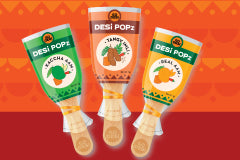
At GO DESi, tamarind is used to create chatpata snacks and candies inspired by traditional Indian flavours.
The focus is not just on sweetness, but on recreating the bold, nostalgic taste combinations many Indians grew up with.
By combining tamarind with ingredients like jaggery and regional spice blends, GO DESi aims to bring traditional Indian snacking experiences into modern formats.
Is Tamarind the Same as Imli?
Yes. “Imli” is the Hindi name commonly used for tamarind in India.
Depending on the region, tamarind may also have different local names, but they all refer to the same fruit known for its sweet and tangy flavour.
Frequently Asked Questions About Tamarind
What is tamarind made from?
Tamarind comes from the pod-like fruit of the tamarind tree. The soft pulp inside the pod is used in food, candies, chutneys, and drinks.
Is tamarind sweet or sour?
Tamarind has both sweet and sour notes. Its flavour is usually described as tangy and rich.
Why is tamarind popular in Indian snacks?
Tamarind pairs well with spices, jaggery, and salt, making it ideal for bold Indian snack flavours.
Is tamarind used in candies?
Yes. Tamarind is widely used in traditional Indian candies and chatpata treats.
What is the difference between tamarind and imli?
There is no difference. Imli is simply the Indian name for tamarind.
Explore Traditional Indian Flavours
Traditional Indian ingredients like tamarind continue to inspire a new generation of snacks and sweets. Discover more nostalgic Indian flavours through the products and stories at GO DESi.